Buy einbauküchen.eu ?
We are moving the project
einbauküchen.eu .
Are you interested in purchasing the domain
einbauküchen.eu ?
domain@kv-gmbh.de · 0541-91531010
Buy einbauküchen.eu ?
What are venous sinuses?
Venous sinuses are large, thin-walled blood vessels found within the dura mater, the tough outermost membrane surrounding the brain. They are responsible for draining deoxygenated blood and cerebrospinal fluid from the brain and returning it to the systemic circulation. Venous sinuses have a unique structure, with no traditional endothelial lining, and they are surrounded by layers of dura mater. These sinuses play a crucial role in maintaining the proper circulation and drainage of fluids within the brain. **
What is a venous bleeding?
Venous bleeding is the type of bleeding that occurs when a vein is damaged or punctured, leading to blood flowing out of the vein. Venous bleeding is characterized by a steady flow of dark red blood, as veins carry blood that is low in oxygen. It is generally easier to control venous bleeding compared to arterial bleeding, as veins have lower pressure. However, if left untreated, venous bleeding can still lead to significant blood loss and should be addressed promptly. **


Similar search terms for Venous
Top-Angebote
Products related to Venous:
-
Smart Shopping Spot Compact Car Safety Hammer Multi Functional Vehicle Escape Tool With Window Breaker Compact Car Safety Hammer Multi Functional Vehicle Escape Tool With Window BreakerEvery second counts in a car emergency. The car safety hammer is designed for drivers, passengers, and families who want to feel secure on the road. Lightweight yet powerful, this vehicle escape tool shatters windows, cuts seatbelts, and provides...34,97 $*Shipping: 0,00 $Secure redirect to the provider
-
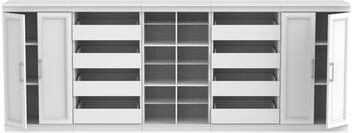
ClosetMaid Modular Storage 106.97-inch Wide Multi-Functional Organizer with DoorsDecorative trim, molding, and full back panels give each piece of ClosetMaid's Modular Storage collection a unique, boutique look, which when combined creates a vision of personalized organization you'll love to show off!796,49 $*Shipping: 0,00 $Secure redirect to the provider
-
Discount Dollar Deals Rotating Multi Functional Plastic Compact Home Hanger Rack Holder For Adjustable Belt Scarf Tie Rotating Multi Functional Plastic Compact Home Hanger Rack Holder For Adjustable Belt Scarf TieEfficient SpaceSaving Solution The Rotating MultiFunctional Plastic Compact Home Hanger is the ultimate spacesaving tool for your home. Whether you're organizing scarves, belts, ties, or accessories, this hanger is designed to keep everything neat...34,97 $*Shipping: 0,00 $Secure redirect to the provider
-
Inspire Curations Horizontal Modular Utility Storage Pack Compact Gear Organizer Pouch khakiKeep small essentials organized, accessible, and ready whenever you need them. This modular utility pouch features a practical horizontal profile designed for storing everyday tools, accessories, and compact gear without unnecessary bulk. Its...78,00 $*Shipping: 0,00 $Secure redirect to the provider



-
What is the pelvic venous syndrome?
Pelvic venous syndrome (PVS) is a condition that occurs when the veins in the pelvic area become enlarged and dysfunctional, leading to symptoms such as chronic pelvic pain, pelvic congestion, and varicose veins in the pelvis. This can be caused by a variety of factors, including pregnancy, hormonal changes, and increased pressure on the pelvic veins. PVS is more common in women and can significantly impact their quality of life. Treatment options for PVS may include medication, minimally invasive procedures, or surgery to alleviate symptoms and improve venous function in the pelvic area. **
-
How can one refuse venous access?
One can refuse venous access by clearly communicating their decision to the healthcare provider. It is important to provide a valid reason for refusing the procedure, such as fear of needles or previous negative experiences. Patients have the right to refuse any medical procedure, but it is important to discuss alternative options with the healthcare provider to ensure proper care is provided. **
-
How can one refuse the venous access?
One can refuse venous access by clearly communicating their decision to the healthcare provider. It is important to express any concerns or reasons for refusal, and to ask for alternative options if available. It is also important to understand the potential consequences of refusing venous access, and to make an informed decision based on the advice of the healthcare provider. Ultimately, it is the individual's right to refuse any medical procedure, but it is important to have an open and respectful conversation with the healthcare provider to ensure the best possible care. **
-
Why are there venous and arterial capillaries?
Venous and arterial capillaries serve different functions in the circulatory system. Arterial capillaries are responsible for delivering oxygenated blood from the heart to the tissues, while venous capillaries collect deoxygenated blood from the tissues and return it to the heart. This separation allows for efficient exchange of gases, nutrients, and waste products between the blood and the tissues. Additionally, the different pressures and oxygen levels in the arterial and venous systems require specialized capillaries to accommodate these differences. **


What are the signs of venous insufficiency?
Signs of venous insufficiency include swelling in the legs and ankles, aching or heaviness in the legs, skin discoloration or changes, varicose veins, leg ulcers, and a feeling of warmth in the legs. Additionally, some people may experience itching or a tingling sensation in the legs. If you are experiencing any of these symptoms, it is important to consult with a healthcare professional for proper diagnosis and treatment. **
What can be done against venous diseases, especially varicose veins?
To prevent and manage venous diseases, especially varicose veins, individuals can take several steps. Regular exercise, maintaining a healthy weight, and avoiding prolonged periods of standing or sitting can help improve circulation. Wearing compression stockings, elevating the legs when resting, and avoiding tight clothing can also help alleviate symptoms. In severe cases, medical treatments such as sclerotherapy, laser therapy, or surgery may be necessary to treat varicose veins. Consulting with a healthcare professional for personalized advice and treatment options is recommended. **
Top-Angebote
Products related to Venous:
-
Nutergia Ergyven (Venous Circulation) 250 Ml.Nutrition and Supplements Special supplements Nutergia Ergyven (Venous Circulation) 250 Ml. ERGYVEN is composed of plants traditionally used to maintain the integrity of the venous system, in particular to reduce the sensation of heavy legs. To these plants, trace elements of marine and clay origin, such as selenium, copper and manganese, are added to the formula to protect the cells against oxidative stress. Terrain action: Heavy legs Weakness of capillaries, of the vessels. Recommendations for use: 1 to 2 capsule doses per day at glass of water outside of meals improves for 2 to 3 months to be renewed. Presentation: 250 ml bottle.16,75 £*Shipping: 3,99 £Secure redirect to the provider
-
Housely Modern Velvet Modular L-Shaped Sectional - Compact Deep-Seat SofaCreate a cozy, style-forward seating area with this modern 3-piece corner sectional sofa. Designed in a space-smart L-shaped layout, this modular set delivers the ideal mix of comfort, function, and contemporary appeal.1672,49 $*Shipping: 0,00 $Secure redirect to the provider
-
Smart Shopping Spot Compact Car Safety Hammer Multi Functional Vehicle Escape Tool With Window Breaker Compact Car Safety Hammer Multi Functional Vehicle Escape Tool With Window BreakerEvery second counts in a car emergency. The car safety hammer is designed for drivers, passengers, and families who want to feel secure on the road. Lightweight yet powerful, this vehicle escape tool shatters windows, cuts seatbelts, and provides...34,97 $*Shipping: 0,00 $Secure redirect to the provider
-
ClosetMaid Modular Storage 106.97-inch Wide Multi-Functional Organizer with DoorsDecorative trim, molding, and full back panels give each piece of ClosetMaid's Modular Storage collection a unique, boutique look, which when combined creates a vision of personalized organization you'll love to show off!796,49 $*Shipping: 0,00 $Secure redirect to the provider
-
What are venous sinuses?
Venous sinuses are large, thin-walled blood vessels found within the dura mater, the tough outermost membrane surrounding the brain. They are responsible for draining deoxygenated blood and cerebrospinal fluid from the brain and returning it to the systemic circulation. Venous sinuses have a unique structure, with no traditional endothelial lining, and they are surrounded by layers of dura mater. These sinuses play a crucial role in maintaining the proper circulation and drainage of fluids within the brain. **
-
What is a venous bleeding?
Venous bleeding is the type of bleeding that occurs when a vein is damaged or punctured, leading to blood flowing out of the vein. Venous bleeding is characterized by a steady flow of dark red blood, as veins carry blood that is low in oxygen. It is generally easier to control venous bleeding compared to arterial bleeding, as veins have lower pressure. However, if left untreated, venous bleeding can still lead to significant blood loss and should be addressed promptly. **
-
What is the pelvic venous syndrome?
Pelvic venous syndrome (PVS) is a condition that occurs when the veins in the pelvic area become enlarged and dysfunctional, leading to symptoms such as chronic pelvic pain, pelvic congestion, and varicose veins in the pelvis. This can be caused by a variety of factors, including pregnancy, hormonal changes, and increased pressure on the pelvic veins. PVS is more common in women and can significantly impact their quality of life. Treatment options for PVS may include medication, minimally invasive procedures, or surgery to alleviate symptoms and improve venous function in the pelvic area. **
-
How can one refuse venous access?
One can refuse venous access by clearly communicating their decision to the healthcare provider. It is important to provide a valid reason for refusing the procedure, such as fear of needles or previous negative experiences. Patients have the right to refuse any medical procedure, but it is important to discuss alternative options with the healthcare provider to ensure proper care is provided. **
Similar search terms for Venous
-
Discount Dollar Deals Rotating Multi Functional Plastic Compact Home Hanger Rack Holder For Adjustable Belt Scarf Tie Rotating Multi Functional Plastic Compact Home Hanger Rack Holder For Adjustable Belt Scarf TieEfficient SpaceSaving Solution The Rotating MultiFunctional Plastic Compact Home Hanger is the ultimate spacesaving tool for your home. Whether you're organizing scarves, belts, ties, or accessories, this hanger is designed to keep everything neat...34,97 $*Shipping: 0,00 $Secure redirect to the provider
-
Inspire Curations Horizontal Modular Utility Storage Pack Compact Gear Organizer Pouch khakiKeep small essentials organized, accessible, and ready whenever you need them. This modular utility pouch features a practical horizontal profile designed for storing everyday tools, accessories, and compact gear without unnecessary bulk. Its...78,00 $*Shipping: 0,00 $Secure redirect to the provider
-
ClosetMaid Modular Storage 106.97-inch Wide Multi-Functional Organizer with DoorsDecorative trim, molding, and full back panels give each piece of ClosetMaid's Modular Storage collection a unique, boutique look, which when combined creates a vision of personalized organization you'll love to show off!835,06 $*Shipping: 0,00 $Secure redirect to the provider
-
Inspire Curations Horizontal Modular Utility Storage Pack Compact Gear Organizer Pouch cpKeep small essentials organized, accessible, and ready whenever you need them. This modular utility pouch features a practical horizontal profile designed for storing everyday tools, accessories, and compact gear without unnecessary bulk. Its...80,50 $*Shipping: 0,00 $Secure redirect to the provider
-
How can one refuse the venous access?
One can refuse venous access by clearly communicating their decision to the healthcare provider. It is important to express any concerns or reasons for refusal, and to ask for alternative options if available. It is also important to understand the potential consequences of refusing venous access, and to make an informed decision based on the advice of the healthcare provider. Ultimately, it is the individual's right to refuse any medical procedure, but it is important to have an open and respectful conversation with the healthcare provider to ensure the best possible care. **
-
Why are there venous and arterial capillaries?
Venous and arterial capillaries serve different functions in the circulatory system. Arterial capillaries are responsible for delivering oxygenated blood from the heart to the tissues, while venous capillaries collect deoxygenated blood from the tissues and return it to the heart. This separation allows for efficient exchange of gases, nutrients, and waste products between the blood and the tissues. Additionally, the different pressures and oxygen levels in the arterial and venous systems require specialized capillaries to accommodate these differences. **
-
What are the signs of venous insufficiency?
Signs of venous insufficiency include swelling in the legs and ankles, aching or heaviness in the legs, skin discoloration or changes, varicose veins, leg ulcers, and a feeling of warmth in the legs. Additionally, some people may experience itching or a tingling sensation in the legs. If you are experiencing any of these symptoms, it is important to consult with a healthcare professional for proper diagnosis and treatment. **
-
What can be done against venous diseases, especially varicose veins?
To prevent and manage venous diseases, especially varicose veins, individuals can take several steps. Regular exercise, maintaining a healthy weight, and avoiding prolonged periods of standing or sitting can help improve circulation. Wearing compression stockings, elevating the legs when resting, and avoiding tight clothing can also help alleviate symptoms. In severe cases, medical treatments such as sclerotherapy, laser therapy, or surgery may be necessary to treat varicose veins. Consulting with a healthcare professional for personalized advice and treatment options is recommended. **
* All prices are inclusive of VAT and, if applicable, plus shipping costs. The offer information is based on the details provided by the respective shop and is updated through automated processes. Real-time updates do not occur, so deviations can occur in individual cases. ** Note: Parts of this content were created by AI.