Buy einbauküchen.eu ?
We are moving the project
einbauküchen.eu .
Are you interested in purchasing the domain
einbauküchen.eu ?
domain@kv-gmbh.de · 0541-91531010
Buy einbauküchen.eu ?
Is allosteric inhibition the same as non-competitive inhibition?
Allosteric inhibition and non-competitive inhibition are not the same, although they are related. Non-competitive inhibition refers to the binding of an inhibitor to a site on the enzyme that is not the active site, thereby preventing the substrate from binding to the active site. Allosteric inhibition, on the other hand, occurs when an inhibitor binds to a site on the enzyme that is distinct from the active site, causing a conformational change in the enzyme that reduces its activity. While both types of inhibition involve the binding of an inhibitor to a site other than the active site, allosteric inhibition specifically involves a change in the enzyme's shape and activity. **
What type of inhibition occurs through allosteric activation/inhibition?
Allosteric inhibition occurs when a molecule binds to an allosteric site on an enzyme, causing a conformational change that reduces the enzyme's activity. This type of inhibition is non-competitive, meaning it does not compete with the substrate for the active site. Allosteric activation, on the other hand, occurs when a molecule binds to an allosteric site and enhances the enzyme's activity. Both allosteric inhibition and activation involve the binding of a regulatory molecule to a site other than the active site of the enzyme, leading to a change in the enzyme's activity. **


Similar search terms for Inhibition
Top-Angebote
Products related to Inhibition:
-
ClosetMaid Modular Storage 106.97-inch Wide Multi-Functional Organizer with DoorsDecorative trim, molding, and full back panels give each piece of ClosetMaid's Modular Storage collection a unique, boutique look, which when combined creates a vision of personalized organization you'll love to show off!796,49 $*Shipping: 0,00 $Secure redirect to the provider
-
Discount Dollar Deals Rotating Multi Functional Plastic Compact Home Hanger Rack Holder For Adjustable Belt Scarf Tie Rotating Multi Functional Plastic Compact Home Hanger Rack Holder For Adjustable Belt Scarf TieEfficient SpaceSaving Solution The Rotating MultiFunctional Plastic Compact Home Hanger is the ultimate spacesaving tool for your home. Whether you're organizing scarves, belts, ties, or accessories, this hanger is designed to keep everything neat...34,97 $*Shipping: 0,00 $Secure redirect to the provider
-
Inspire Curations Horizontal Modular Utility Storage Pack Compact Gear Organizer Pouch greenKeep small essentials organized, accessible, and ready whenever you need them. This modular utility pouch features a practical horizontal profile designed for storing everyday tools, accessories, and compact gear without unnecessary bulk. Its...85,00 $*Shipping: 0,00 $Secure redirect to the provider
-
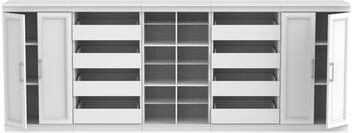
ClosetMaid Modular Storage 106.97-inch Wide Multi-Functional Organizer with DoorsDecorative trim, molding, and full back panels give each piece of ClosetMaid's Modular Storage collection a unique, boutique look, which when combined creates a vision of personalized organization you'll love to show off!835,06 $*Shipping: 0,00 $Secure redirect to the provider


-
What is the difference between competitive inhibition and allosteric inhibition?
Competitive inhibition occurs when a molecule competes with the substrate for the active site of an enzyme, effectively blocking the substrate from binding and inhibiting the enzyme's activity. In contrast, allosteric inhibition occurs when a molecule binds to a site on the enzyme other than the active site, causing a conformational change that reduces the enzyme's activity. While competitive inhibition directly competes with the substrate for the active site, allosteric inhibition involves binding to a different site on the enzyme to regulate its activity. **
-
Is allosteric inhibition irreversible?
Allosteric inhibition is typically reversible, meaning that the inhibitor can bind to the allosteric site and block the activity of the enzyme, but can also dissociate from the site, allowing the enzyme to regain its activity. This is in contrast to irreversible inhibition, where the inhibitor forms a covalent bond with the enzyme, permanently inactivating it. **
-
Non-competitive inhibition, right?
Non-competitive inhibition is a type of enzyme inhibition where the inhibitor binds to a site on the enzyme that is not the active site. This binding causes a conformational change in the enzyme, making it less effective at catalyzing the reaction. Non-competitive inhibitors do not compete with the substrate for binding to the enzyme. Instead, they can bind to the enzyme-substrate complex or to a separate allosteric site on the enzyme. **
-
What is allosteric inhibition?
Allosteric inhibition is a type of enzyme regulation where a molecule binds to a site on the enzyme that is different from the active site, causing a conformational change in the enzyme's structure. This change reduces the enzyme's activity and ability to bind to its substrate, ultimately inhibiting its function. Allosteric inhibition is a reversible process and can be used to regulate enzyme activity in response to changing cellular conditions. **


What is the difference between allosteric inhibition and competitive inhibition in biology?
Allosteric inhibition occurs when a molecule binds to an allosteric site on an enzyme, causing a conformational change that reduces the enzyme's activity. This type of inhibition is non-competitive and can affect multiple enzymes in a metabolic pathway. On the other hand, competitive inhibition occurs when a molecule competes with the substrate for the active site of the enzyme, effectively blocking the substrate from binding and reducing the enzyme's activity. Competitive inhibition can be overcome by increasing the concentration of the substrate, while allosteric inhibition cannot be overcome in the same way. **
What is the difference between non-competitive inhibition and allosteric inhibition in biochemistry?
Non-competitive inhibition occurs when an inhibitor binds to an enzyme at a site other than the active site, causing a conformational change in the enzyme that reduces its activity. This type of inhibition does not compete with the substrate for binding to the active site. On the other hand, allosteric inhibition occurs when an inhibitor binds to an allosteric site on the enzyme, causing a conformational change that reduces the enzyme's activity. Allosteric inhibition can be reversible or irreversible, and it can be overcome by increasing the concentration of the substrate. **
Top-Angebote
Products related to Inhibition:
-
Housely Modern Velvet Modular L-Shaped Sectional - Compact Deep-Seat SofaCreate a cozy, style-forward seating area with this modern 3-piece corner sectional sofa. Designed in a space-smart L-shaped layout, this modular set delivers the ideal mix of comfort, function, and contemporary appeal.1672,49 $*Shipping: 0,00 $Secure redirect to the provider
-
Smart Shopping Spot Compact Car Safety Hammer Multi Functional Vehicle Escape Tool With Window Breaker Compact Car Safety Hammer Multi Functional Vehicle Escape Tool With Window BreakerEvery second counts in a car emergency. The car safety hammer is designed for drivers, passengers, and families who want to feel secure on the road. Lightweight yet powerful, this vehicle escape tool shatters windows, cuts seatbelts, and provides...34,97 $*Shipping: 0,00 $Secure redirect to the provider
-
ClosetMaid Modular Storage 106.97-inch Wide Multi-Functional Organizer with DoorsDecorative trim, molding, and full back panels give each piece of ClosetMaid's Modular Storage collection a unique, boutique look, which when combined creates a vision of personalized organization you'll love to show off!796,49 $*Shipping: 0,00 $Secure redirect to the provider
-
Discount Dollar Deals Rotating Multi Functional Plastic Compact Home Hanger Rack Holder For Adjustable Belt Scarf Tie Rotating Multi Functional Plastic Compact Home Hanger Rack Holder For Adjustable Belt Scarf TieEfficient SpaceSaving Solution The Rotating MultiFunctional Plastic Compact Home Hanger is the ultimate spacesaving tool for your home. Whether you're organizing scarves, belts, ties, or accessories, this hanger is designed to keep everything neat...34,97 $*Shipping: 0,00 $Secure redirect to the provider
-
Is allosteric inhibition the same as non-competitive inhibition?
Allosteric inhibition and non-competitive inhibition are not the same, although they are related. Non-competitive inhibition refers to the binding of an inhibitor to a site on the enzyme that is not the active site, thereby preventing the substrate from binding to the active site. Allosteric inhibition, on the other hand, occurs when an inhibitor binds to a site on the enzyme that is distinct from the active site, causing a conformational change in the enzyme that reduces its activity. While both types of inhibition involve the binding of an inhibitor to a site other than the active site, allosteric inhibition specifically involves a change in the enzyme's shape and activity. **
-
What type of inhibition occurs through allosteric activation/inhibition?
Allosteric inhibition occurs when a molecule binds to an allosteric site on an enzyme, causing a conformational change that reduces the enzyme's activity. This type of inhibition is non-competitive, meaning it does not compete with the substrate for the active site. Allosteric activation, on the other hand, occurs when a molecule binds to an allosteric site and enhances the enzyme's activity. Both allosteric inhibition and activation involve the binding of a regulatory molecule to a site other than the active site of the enzyme, leading to a change in the enzyme's activity. **
-
What is the difference between competitive inhibition and allosteric inhibition?
Competitive inhibition occurs when a molecule competes with the substrate for the active site of an enzyme, effectively blocking the substrate from binding and inhibiting the enzyme's activity. In contrast, allosteric inhibition occurs when a molecule binds to a site on the enzyme other than the active site, causing a conformational change that reduces the enzyme's activity. While competitive inhibition directly competes with the substrate for the active site, allosteric inhibition involves binding to a different site on the enzyme to regulate its activity. **
-
Is allosteric inhibition irreversible?
Allosteric inhibition is typically reversible, meaning that the inhibitor can bind to the allosteric site and block the activity of the enzyme, but can also dissociate from the site, allowing the enzyme to regain its activity. This is in contrast to irreversible inhibition, where the inhibitor forms a covalent bond with the enzyme, permanently inactivating it. **
Similar search terms for Inhibition
-
Inspire Curations Horizontal Modular Utility Storage Pack Compact Gear Organizer Pouch greenKeep small essentials organized, accessible, and ready whenever you need them. This modular utility pouch features a practical horizontal profile designed for storing everyday tools, accessories, and compact gear without unnecessary bulk. Its...85,00 $*Shipping: 0,00 $Secure redirect to the provider
-
ClosetMaid Modular Storage 106.97-inch Wide Multi-Functional Organizer with DoorsDecorative trim, molding, and full back panels give each piece of ClosetMaid's Modular Storage collection a unique, boutique look, which when combined creates a vision of personalized organization you'll love to show off!835,06 $*Shipping: 0,00 $Secure redirect to the provider
-
Inspire Curations Horizontal Modular Utility Storage Pack Compact Gear Organizer Pouch khakiKeep small essentials organized, accessible, and ready whenever you need them. This modular utility pouch features a practical horizontal profile designed for storing everyday tools, accessories, and compact gear without unnecessary bulk. Its...78,00 $*Shipping: 0,00 $Secure redirect to the provider
-
Inspire Curations Horizontal Modular Utility Storage Pack Compact Gear Organizer Pouch cpKeep small essentials organized, accessible, and ready whenever you need them. This modular utility pouch features a practical horizontal profile designed for storing everyday tools, accessories, and compact gear without unnecessary bulk. Its...80,50 $*Shipping: 0,00 $Secure redirect to the provider
-
Non-competitive inhibition, right?
Non-competitive inhibition is a type of enzyme inhibition where the inhibitor binds to a site on the enzyme that is not the active site. This binding causes a conformational change in the enzyme, making it less effective at catalyzing the reaction. Non-competitive inhibitors do not compete with the substrate for binding to the enzyme. Instead, they can bind to the enzyme-substrate complex or to a separate allosteric site on the enzyme. **
-
What is allosteric inhibition?
Allosteric inhibition is a type of enzyme regulation where a molecule binds to a site on the enzyme that is different from the active site, causing a conformational change in the enzyme's structure. This change reduces the enzyme's activity and ability to bind to its substrate, ultimately inhibiting its function. Allosteric inhibition is a reversible process and can be used to regulate enzyme activity in response to changing cellular conditions. **
-
What is the difference between allosteric inhibition and competitive inhibition in biology?
Allosteric inhibition occurs when a molecule binds to an allosteric site on an enzyme, causing a conformational change that reduces the enzyme's activity. This type of inhibition is non-competitive and can affect multiple enzymes in a metabolic pathway. On the other hand, competitive inhibition occurs when a molecule competes with the substrate for the active site of the enzyme, effectively blocking the substrate from binding and reducing the enzyme's activity. Competitive inhibition can be overcome by increasing the concentration of the substrate, while allosteric inhibition cannot be overcome in the same way. **
-
What is the difference between non-competitive inhibition and allosteric inhibition in biochemistry?
Non-competitive inhibition occurs when an inhibitor binds to an enzyme at a site other than the active site, causing a conformational change in the enzyme that reduces its activity. This type of inhibition does not compete with the substrate for binding to the active site. On the other hand, allosteric inhibition occurs when an inhibitor binds to an allosteric site on the enzyme, causing a conformational change that reduces the enzyme's activity. Allosteric inhibition can be reversible or irreversible, and it can be overcome by increasing the concentration of the substrate. **
* All prices are inclusive of VAT and, if applicable, plus shipping costs. The offer information is based on the details provided by the respective shop and is updated through automated processes. Real-time updates do not occur, so deviations can occur in individual cases. ** Note: Parts of this content were created by AI.